


 By
By At least 15 people have died after a massive landslide hit a passenger bus on a hilly road near Bilaspur, authorities confirmed. Rescue teams continue to search for any missing passengers.
The tragedy occurred after days of heavy rainfall that destabilized mountain slopes in the region.
🚍 Bus Caught in Landslide
The bus was traveling with 20 to 25 passengers when the landslide struck late Thursday night. Police reported that among the deceased were nine men, four women, and two children.
Three children survived with injuries and were admitted to a local hospital for treatment.
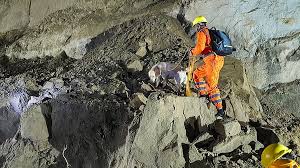
Visuals from the scene showed the mangled wreckage of the bus, with rescue workers using heavy machinery to dig through debris and recover passengers.
🌧️ Ongoing Rescue and Weather Challenges
The National Disaster Response Force (NDRF) has been leading the rescue operation. Intermittent rainfall since Monday has made the already fragile slopes more unstable, complicating rescue efforts.
Authorities are still attempting to locate other passengers who are feared dead.
🕊️ Condolences from Leaders
President Droupadi Murmu and Prime Minister Narendra Modi expressed their condolences to the families of the victims.
The landslide is part of a broader trend of extreme weather events in South Asia, which includes India, Nepal, Pakistan, Bhutan, Bangladesh, Sri Lanka, Afghanistan, and the Maldives.
🌊 Climate Change and Intense Monsoons
Experts attribute the rise in flooding and landslides to human-caused climate change, which has made South Asian monsoons unpredictable.
This year, flash floods and mudslides have already caused devastation:
- In Uttarakhand, India, a village was swept away in August.
- In Nepal, heavy rains killed at least 44 people, disrupted Kathmandu, and grounded all domestic flights.
Scientists warn that monsoon patterns, once predictable, are now erratic, causing heavy rainfall in short bursts followed by prolonged dry spells.